

This is the secret sauce.
But a sauce alone leaves you starving. It’s only worth something served with the right ingredients, and cooked to perfection. Serve it with rotten ones and you’ll ruin the dish anyway.
In investing, the secret sauce is the system, and a system is only as good as the person following it. Take away the ingredients - discipline, commitment, research, work… and you’re left with an empty plate filled with some weird liquid.
This write-up covers my system - how I built it and why, and everything I think matters in stock picking, from how the market actually works to the act of picking itself and taking profits. I’m still years from calling myself successful, but that’s only a matter of time, and it will be because of that constantly improving system.
Here’s what you can expect.
Stock picking concepts
The importance of systems
Markets and price action
Sizing and dilution
My personal system
Trimming and selling
Stock Picking Concepts
Notice I call my activity stock picking. Not investing, trading or speculating.
I want to get away from those words; social media has turned them into labels with very personal definitions. I don’t care about the name. I care about finding the best returns. Call me a trader or a speculator, that’s fine, as long as performance follows.
This is what stock picking is to me. I’m not buying the companies I love or the ones that “look cheap”. I follow companies for their fundamentals and narratives, but I buy the stocks I believe have the best chance to deliver the most returns.
This has nothing to do with timeframes or methods. If I believe a stock has what it takes, I’ll hold it forever - I’ve held Palantir for a year and a half with great pleasure. Focusing on returns doesn’t mean shortening timeframes, it means leaving personal bias behind.
Returns are what we’re here for at the end of the day.
The Importance of Systems
Systems matter because investing on opinion alone doesn’t work. It might, for a while, with some luck and a healthy market, but it fails over decades as you will eventually be wrong big time. Every super investor has a system; it’d be foolish not to have ours.
Druckenmiller sizes up aggressively on high risk-reward after a deep review, famous - with Soros, for “buy first, study later”. Buffett and Munger buy value below their assumed intrinsic value and popularized “moats” - which is misused 99% of the time nowadays. Lynch focuses on growth, categorizes stocks, and ignores volatility.
These are systems. Different from one another, but all successful because each fits the investor’s personality/objectives. Look deeper and you’d find checklists and methods running through every step - picks, sizing, selling.
If you don’t have a system, you’re probably doing it wrong, or haven’t been at it long. Either way, that should change, or you’ll make mistakes. I made mine this year with Nebius - a costly mistake that happened only because I ignored my system. I shared more over the months, because diagnosing them is how you improve.
A system shields you from yourself.
Take the last few years. A tariff war, real wars, oil supply disruptions, covid, rate hikes, inflation, and countless other events. If you tell me none of it touched you emotionally or made you question your portfolio, I’d say you’re lying. And if I asked how many of you rushed a pick, to buy or sell, I’m sure the guilty rate would be 100%, and I am also sure most of those transactions would be considered mistakes today.
Systems prevent that. Follow one, run the checklist, and you can tell yourself.
No. This shouldn’t be done, so I won’t do it.
Markets & Price Action
Many invest, but rare are those who stop to ask what the markets actually are and how they work. So we’ll start there.
The markets are a place where individuals trade certificates of ownership, a tiny slice of any publicly traded company. That, everyone knows. Where it gets trickier is what the market actually looks at.
A stock’s price comes down to two variables.
A financial metric, which reflects the company’s ability to generate cash. That’s what the market craves: safe, consistent cash generation. It’s factual, reported every quarter during earnings season.
A multiple, the market’s trust in the company’s future cash generation. Volatile, but usually stays within known ranges for each sector.
Most investors look at earnings and P/E, but plenty of others work. A company’s value is those two multiplied together - the market’s verdict on what the business is worth.
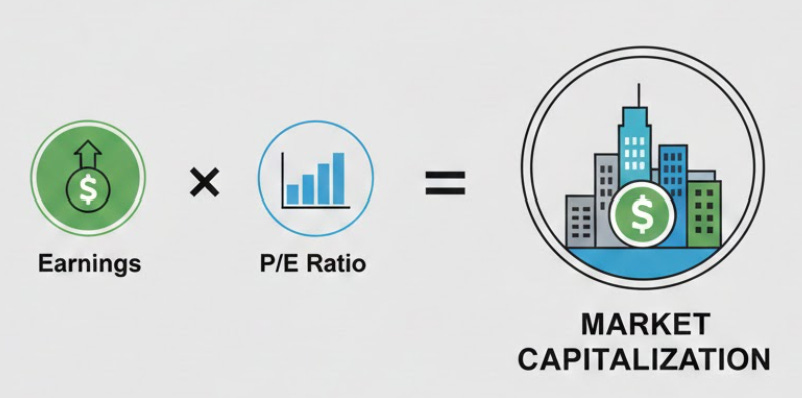
But that value isn’t today’s, it’s tomorrow’s. A company reports its current results; the market prices its future. If Apple delivers the most amazing quarter but warns sales will fall 10% this year, the stock drops, it doesn’t rise. Apple is a great company today, but its short-term future is in danger; that’s what the market prices.
Multiples move according to the market’s confidence in future cash generation. Lots of potential or stability? High multiple. Risky or unstable? Lower one. That’s how and why stocks move. The market looks at three inputs to decide on multiples, in order.
Global liquidity; is there enough money around to buy more stocks and is the world in a stable enough situation.
Narratives; what happens tomorrow for this company and its business.
Fundamentals; how trustworthy is this company and how strong is its business.
Every company is different. You can’t judge a hyper-growth tech firm the way you judge a utility. Right metric for the right business, the source of disagreements, but the principle holds for every stock in the market.
From here, a company has two levers to increase its stock’s value.
Increase cash generation
Expand its multiple
The first is straightforward: a healthy company grows, improves margins, prints more cash. If the multiple holds - stable narrative and liquidity, the stock goes up. Simple.
The second is where the magic happens. Less science, more sentiment. But sentiment follows rules too, with specific triggers.
Accelerated Growth: when revenue starts growing faster, the ceiling disappears. The market prices in optimism through higher multiples, because it doesn't know where the limit is. Better to anticipate a huge success than miss out on it. Humans are optimistic by nature; this is growth investing 101.
Margin Expansion: more cash from the same revenue, and the market rewards that efficiency with a higher multiple.
Increased Safety/Trust: a company that can generate cash safely for decades earns a "trust premium," because the market can forecast its future.
That’s how the market works, and how to avoid value traps - companies that look cheap but have no path to expand margins, accelerate revenue, or earn the market’s trust. A value trap can become a winner, but it needs one of those triggers first.
We don’t buy those. We look for the names the market is about to fall in love with, companies that can accelerate growth and cash generation, creating a double appreciation: rising cash and expanding multiples.
That’s what stock picking is about.
Price Action
The most underrated data source there is, ignored by investors who think their own opinion is enough. It isn’t. Have you ever asked yourself what a chart actually is?
Take any data set you can think of, they are always represented visually, in diagrams or charts, to read them more easily and spot trends. The lines are the data. Price action is the same thing; the data behind it is every transaction happening each second.
The market is a consensus built from millions of interactions, and price action is that consensus made visible. A chart tells you who wants what and at what price. It shows which group is in control. That matters for one reason: you only make money when your stock goes up, so that’s where you want to be.
I focus on stocks going up, or stabilizing, because I'm here to make money, not to hold a bias and hope to be proven right.
Ranges, Breakouts, Retests & Averages
Those are the four concepts you need to read price action, the only ones. It’s far less complicated than most make it look. I rely on them for two reasons.
Human behavior: price action literally shows what investors are doing. Price up, buyers are overwhelming sellers. Price down, the reverse.
Self‑fulfilling prophecies: these patterns have been watched for centuries. People expect certain reactions at certain levels, act accordingly, and the pattern reinforces itself.
Ranges are the first sign selling pressure has exhausted itself. The stock stops falling because buyers hold the line, supply and demand finally match. The bleeding has stopped, but it doesn’t mean the uptrend is starting.
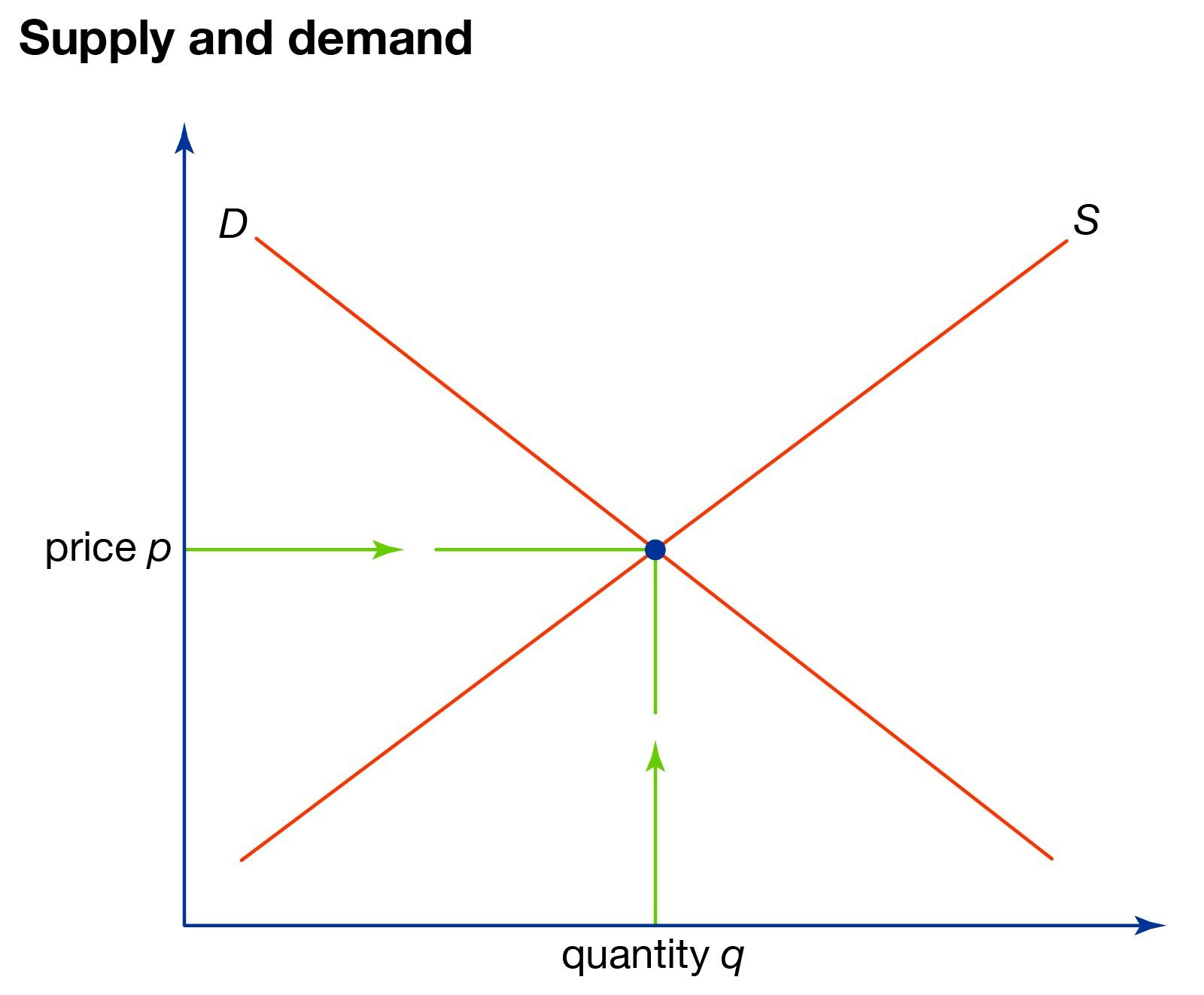
Ranges can last weeks or years. The market rewards cash generation; until a company shows clear acceleration, it has no reason to pay up. So the range drags on, that’s how value traps form.
Then come breakouts; where it gets interesting. Buyers overwhelm sellers and agree to pay more. Sellers have vanished. The chart won't tell you why, but it tells you the narrative is changing. The stock starts printing higher highs and higher lows; buyers in control, paying up for the same asset.
Here’s an illustration.
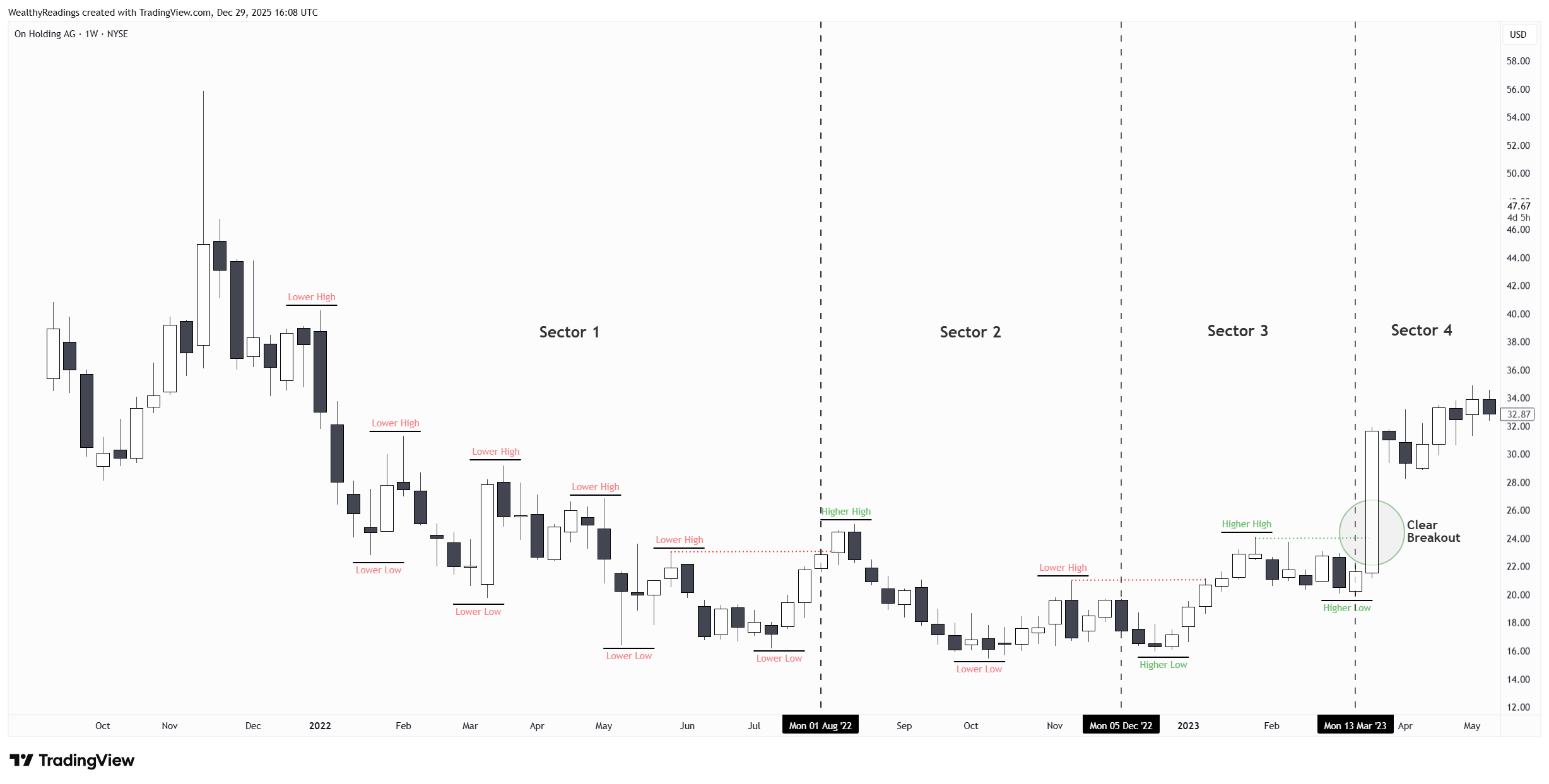
Lots going on, so let's break it down.
Sector 1 is pure disinterest. The stock keeps falling, nobody wants to buy higher. Buying here wastes time and liquidity.
Sector 2 is seller exhaustion: a higher high in August after two near-identical lows, then a third barely lower in October. Sellers are tired, buyers show up at the same price point for months in a row.
Sector 3 is the first positive sign; the stock doesn't retest its late-2022 low. Buyers stepped in early, impatient, pushing price higher in January. They're clearly willing to pay more. The stock is now attractive, not enough for a large position, but worth interest and a test buy.
Sector 4 seals it, especially landing after earnings. The chart won't tell you that but it shows the market is ready to pay up: buying higher at the lows, pushing higher at the highs. We know the market wants more of it.
Aggressive accumulation happens on retests and moving averages, levels everyone watches, the self-fulfilling prophecies that keep the trend alive. The pattern is always the same: ranges from hesitation, breakouts, higher highs/lows, retests as the market revisits the breakout.
Retests are simple human behavior. A stock rips to new highs, investors take profits, sellers briefly outnumber buyers, price cools back toward the breakout. If the trend is strong and fundamentals healthy, buyers step right back in as the price is back to a previous consensus everyone wanted to buy a few weeks earlier.
Who passes on that?
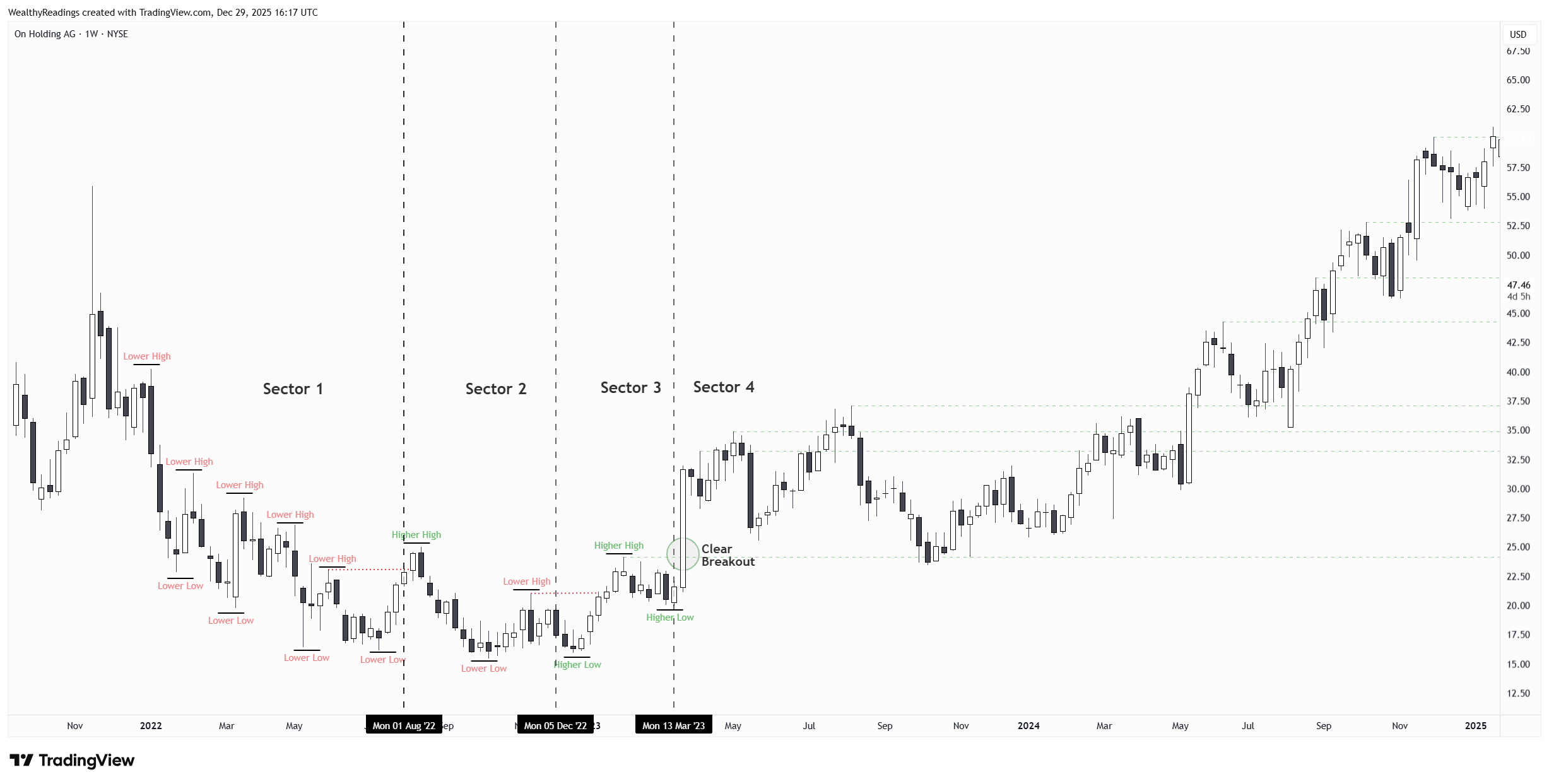
Every higher high after the breakout above is marked with a green line, and every push came back to or close to it. As long as buyers step in at those levels, demand holds. That’s when we buy, until demand fades.
In On Running’s case, that run took 88 weeks and returned 151%, from the first retest in June 2023 to the top in January 2025. Buy more aggressively at Sector 3 and it’s 98 weeks for 222%. When I say I have no problem holding for years, I mean it.
The second prophecy is moving averages - smoothed-out price action. Three are watched religiously: the 21, 50, and 200 (red, green, grey in my charts). Again, they matter only because everyone looks at them.
Take TransMedics. For six months, buyers stepped in every single time on the W50, printing a series of clean higher lows. Coincidence?
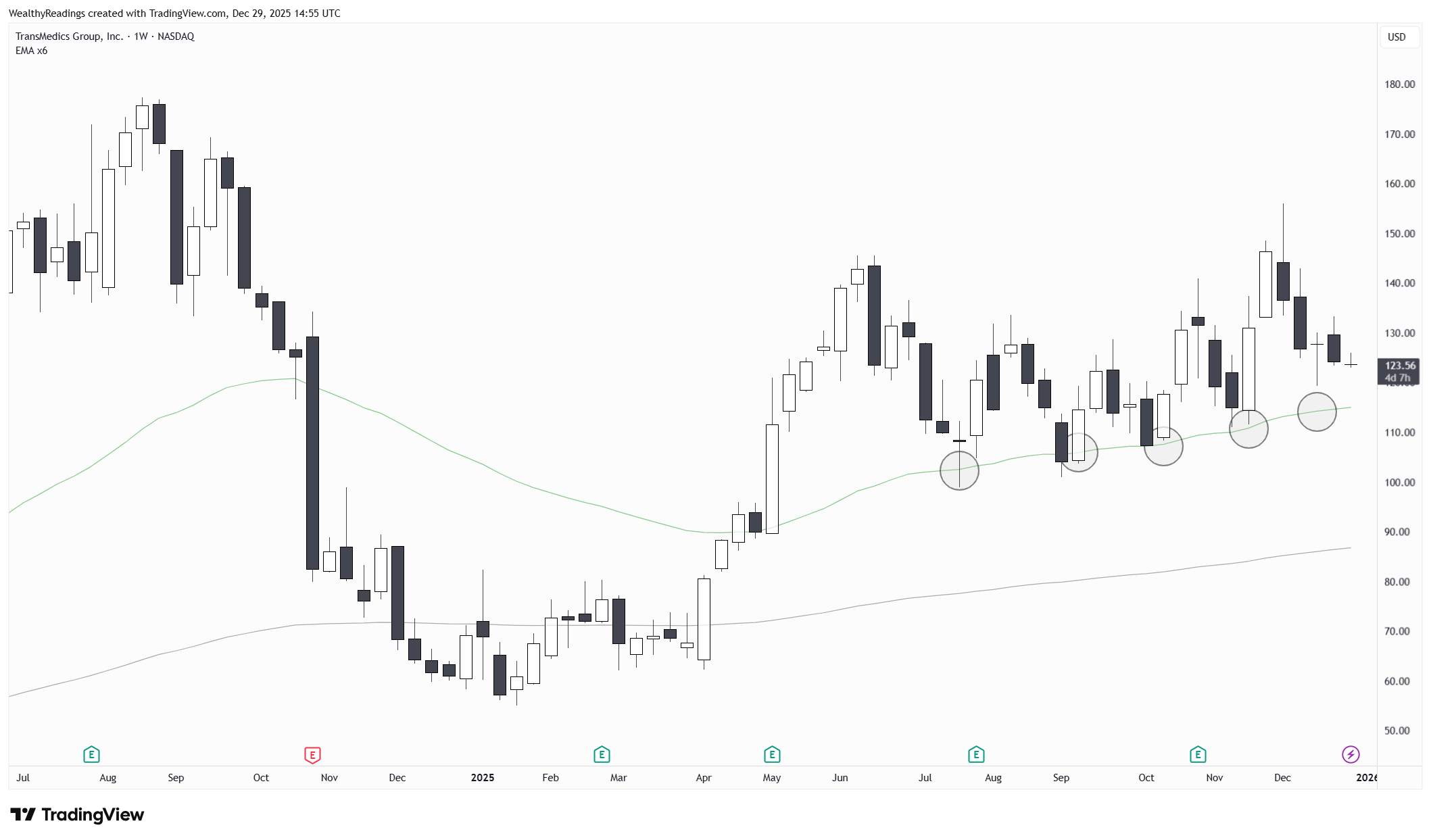
There are no coincidences in a place where millions interact for hours a day. There’s only information, and it’s our job to read it. In TransMedics’ case it ended badly, the stock broke down. Not an issue: when it did, I closed the position. Not because I stopped believing in the company, but because the market was telling me buyers were not stepping in, so the stock was no longer the best vehicle for returns. I left.
For the better, it fell more than 40% after.
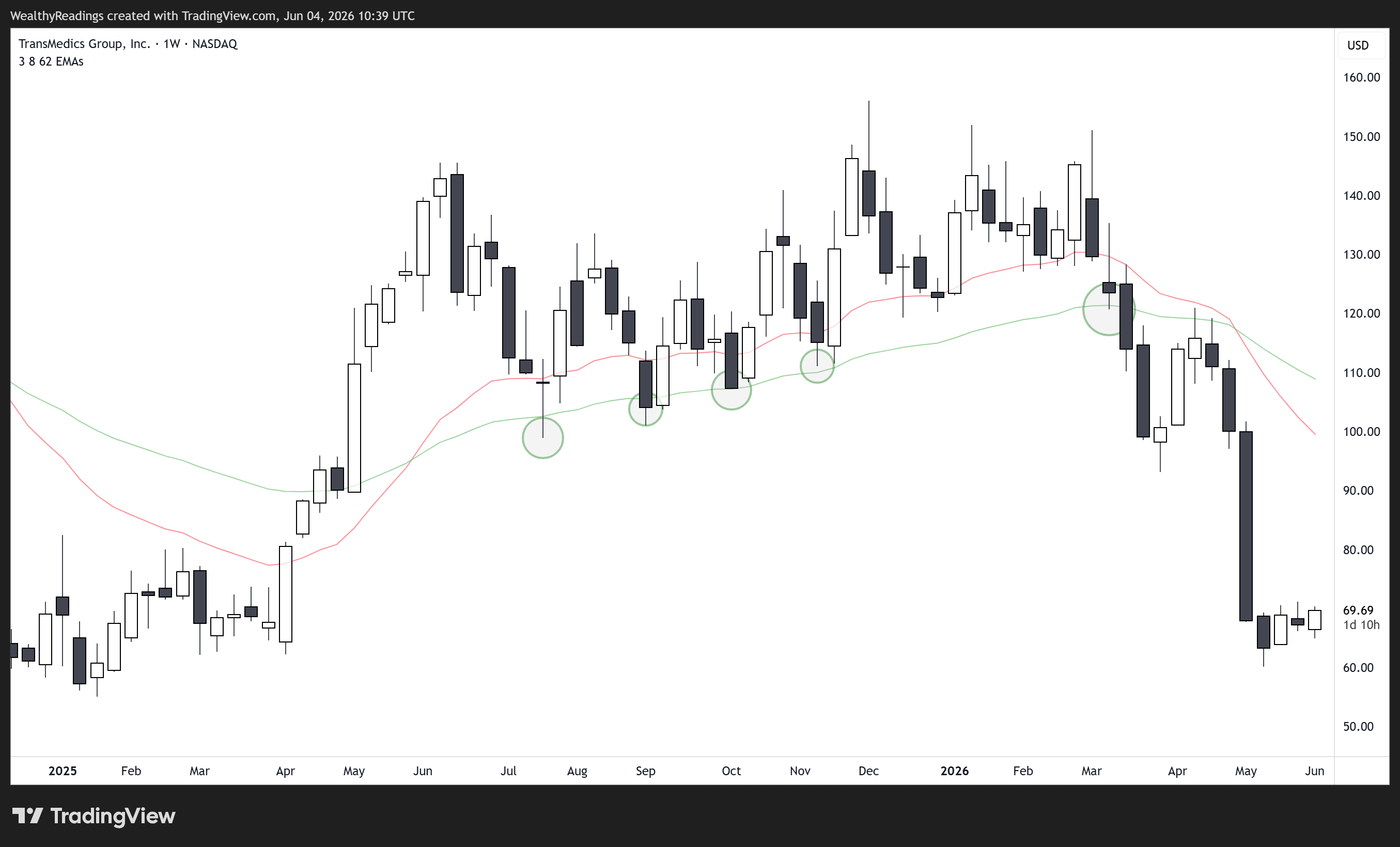
Stock picking isn’t about feeling. It’s about being where returns are made.
Every stock has a “primary pattern”, the one most participants watch. For some it’s breakouts, for others moving averages. The job is to spot it and use it to be aggressive at the right time, which has nothing to do with timing the market - which means trying to buy the bottom or sell the top. This is impossible to do and I do not even try to. What I try to do is to catch the middle portion of a run, when the market gave enough confirmations for probabilities to be in my favor so I can go big, and enjoy the run until it shows some slowing down.
Money is made when stocks go up. Everything else is noise.
Why don’t I buy downtrends?
A downtrend is the market’s way of telling you something’s wrong. Sometimes it’s an overreaction. More often, the market sees something you don’t.
Buy one while being wrong and you’re holding degrading fundamentals. Markets don’t care about “cheap”; this is a personal concept which means nothing. A stock can fall far below any analyst target on nothing but lack of interest.
I’ve shown that averaging down is often a waste of time, energy, and sanity, with a concrete example. Watching your position shrink doesn’t help you sleep, and patience gets you the same average cost without the stress.
Buying a downtrend is pretentious. You’re assuming you know better than the market’s consensus - you won’t 99% of the time. Even if you were right, nothing says the market will agree any time soon. Could be months. Could be years. Meanwhile your position keeps shrinking, the risk keeps growing, and you underperform the market while sleeping badly.
Following price action reduces risk. Let the market tell you you’re right.
Position Sizing
We call ourselves stock pickers, but picking isn’t the important part. Sizing is.
Concentration is key. I hold the fewest positions possible; always under ten, ideally under five. I can do so because my system is extremely selective. I have a crystal-clear selection pattern: why the stock should appreciate, at what price I would buy it, why it would be better than another... Not many stocks meet such criteria at the same time.
I’m not always right, and things rarely play out exactly as expected, but I don’t need them to. I only need to trust my opinions and then follow my system to the letter, buying large positions when my conditions are met, and closing one when my thesis or my system breaks - as I did with Duolingo and Hims.
I like to say we aren’t here to play Pokémon; holding 10 or 20 names is a waste. The goal is the best ones, not the most.
Imagine a $100k portfolio, ten positions of $10k each. One returns 100% in a year, your portfolio is up 10%. You’d be better off putting 20% into a “safer” name expected to return 50%, and pulling that same 10% with far less risk.
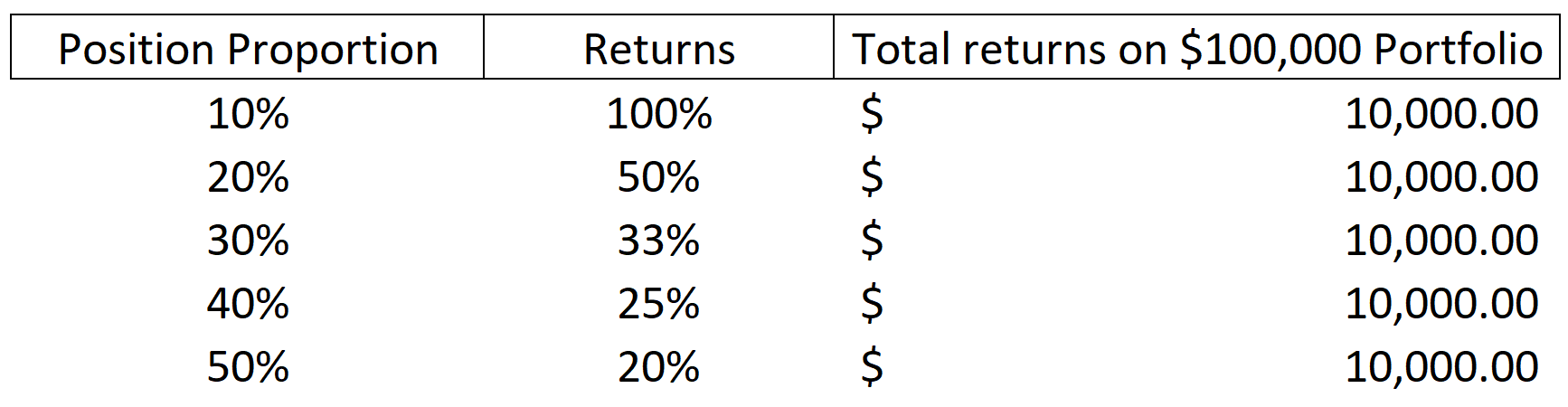
Many believe a small moonshot will make them a fortune. It won’t. The game isn’t to find a 10-bagger, it’s to be heavy in one. If I expect a stock to return 100%, I go big. If I’m scared to go big, my conviction isn’t strong enough, maybe I shouldn’t own it at all, and should grow another position with less upside but more size.
You won’t always pick the #1, but you’re still better off with a 30% position in the #3 top performer than a 5% position in the best.
The game is about total portfolio returns.
Not stock-pick returns.
Diversification & Dilution
Most investors think diversification means owning different stocks. Wrong. It means owning assets that aren’t driven by the same narratives, uncorrelated names that balance each other’s swings.
Own both IREN and Nebius, or ASML and TSMC, and you aren’t diversified, you’re diluted. These pairs move together, so it’s poor allocation. Put your capital on the best risk reward, then find real diversification elsewhere. Hold a healthcare stock alongside AI compute, energy, and AI hardware and you’re mostly there; all stocks share some baseline correlation through liquidity, but these won’t move in the way the pairs above do, because the narratives differ.
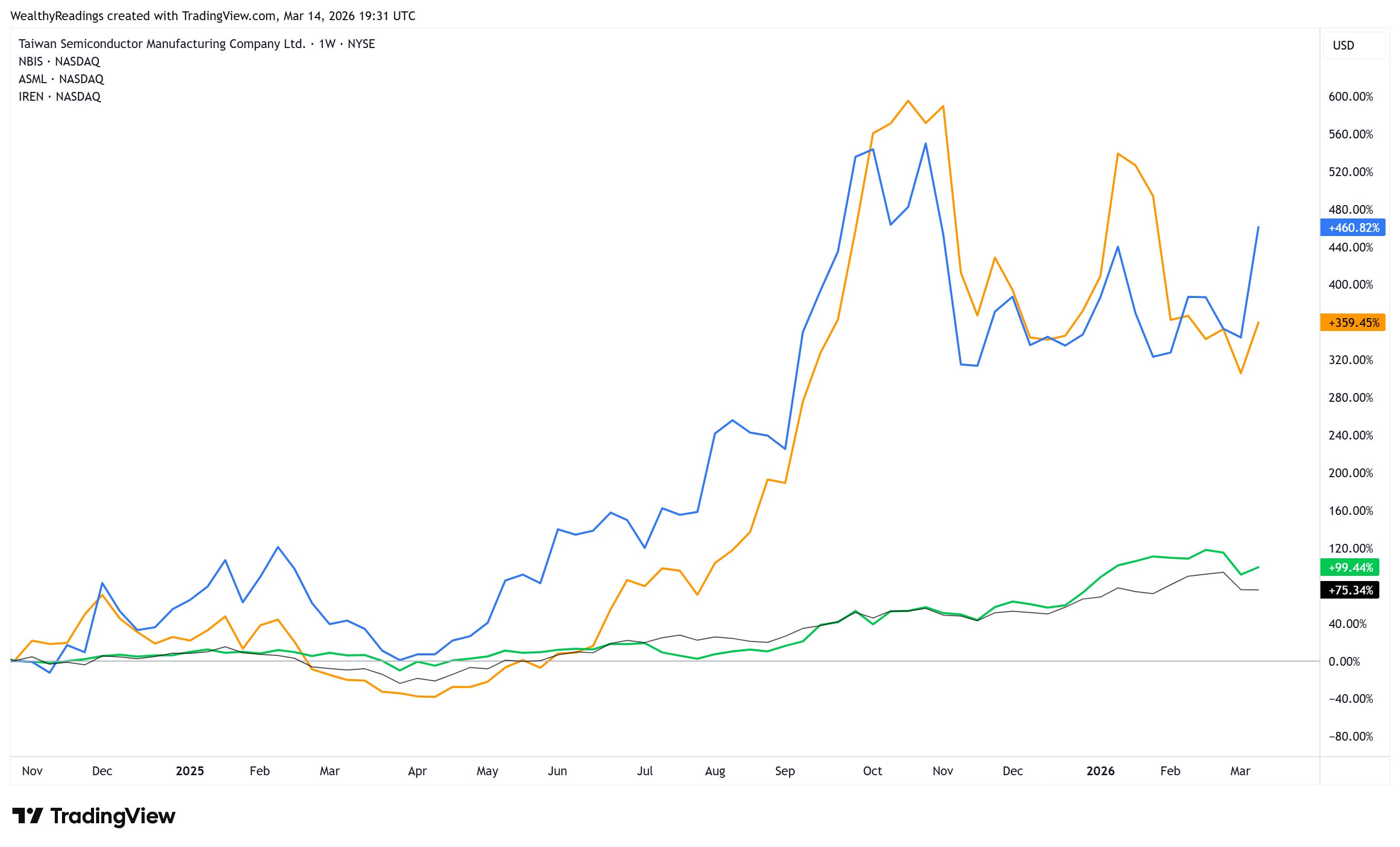
A handful of positions is easier as there aren’t that many great opportunities per sector at the same time. We tend to scan many names inside one sector and have the urge to hold them all, but they’re correlated. That’s like collecting only fire-type Pokémon. Go get that water badge…
When you reach the league, your team is six Pokémon, different types, the best of each, because that’s what wins. Best in each category, with a plan for how to use them, when, and which to sacrifice. Everything planned to win.
Clear selection. Clear strategy. Clear focus.
Stock picking is like fighting the League.
My Personal System
In a lot of situations you know something could happen, but you have no idea if it will. That’s where a system matters, it should drive your actions; not your read on the world or geopolitics, which is probably as flawed as mine; nothing wrong with that, these are genuinely complex subjects.
A system is personal. Traders sell once their targets are hit. Some investors never sell. Some sell on fundamental changes, others on technicals. There are no rules for what a system should look like, but everyone needs one. To buy, hold, and sell.
I run two types of position, treated differently:
Core positions, bought at a healthy price after market’s confirmations.
Swings, shorter-term, bought to extract a pre-defined performance.
My system is straightforward and goes for both types of positions.
A clear selection process, through price action screeners.
Strong fundamentals and narratives only - sector selection is key.
Within an uptrend - above the weekly 50, higher highs and lows.
Reasonable valuation based on my assumptions (for core positions).
A clear buying process.
Breakouts on volume.
Breakout retests.
Weekly 50.
A clear selling and trimming process.
Trim on extensions - RSI heating up + extension from key averages.
Sell on three conditions only:
the thesis is broken,
the stock falls below identified support / W50,
I find another stock with a better expected R:R.
That’s me. It doesn’t have to be you. What matters is having clear conditions for every transaction made in the markets. None should be based on personal bias.
Trimming and selling
By now, you guys know everything I know about the markets, price action and my system. The only thing missing is trimming and selling, for which I will use some concrete examples for both types of position.
Swings
My swings always come with a crystal-clear plan. I already know the narrative and the fundamentals, I buy on a key support, and I know where I want to sell. I usually run them on margin, so my focus is risk reward, always minimizing the first.
I don’t care if a name ran 2,158% and trades at 181x sales, if I can risk 1% of my net worth for a high-probability 10% on margin, it’s a good deal. I’m not building a position for the next decade, just extracting a defined performance for a defined risk.
Take my AXTI swing. I bought it as I follow photonics and know the fundamentals and narrative behind each of its leaders - AXTI being one of them. I wouldn’t swing a name I don’t know.
Since its bull trend started, volume constantly accelerated and price never lost its daily 50 - green line, which makes it a logical entry. Statistically, buyers and algos should step in there, and they did.
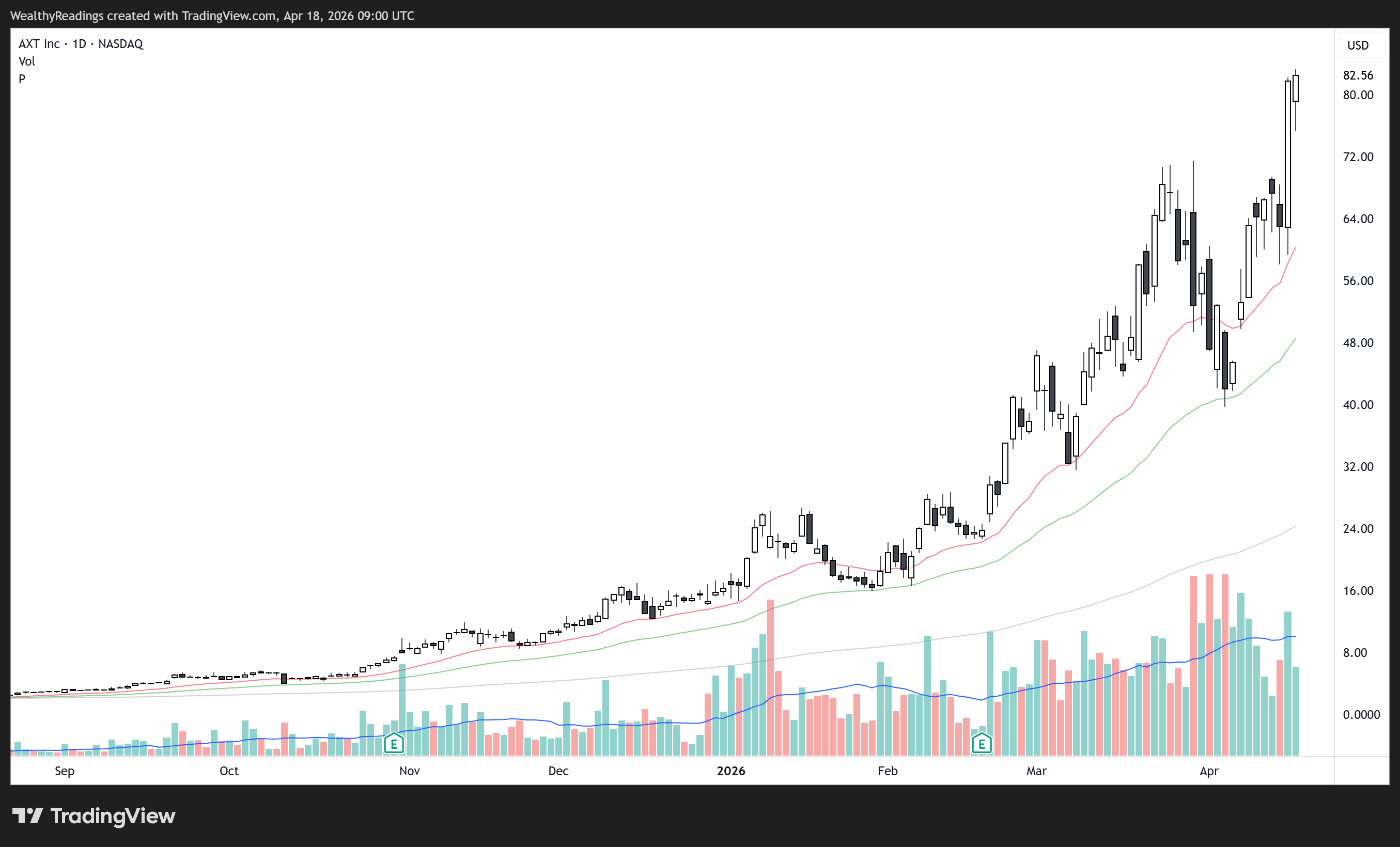
Entry set, position on margin - which carries more risk than a cash-secured one, so a stop loss follows: 5% flat below entry. And since I didn’t want to overdo it, I set a take profit just below the all-time high, at $69.
That’s a swing: a clear entry on narrative, fundamentals, trend, and support with a non-negligible probability of success; a tight stop because capital preservation is the #1 rule on margin; and a profit target to keep greed out. Yes, sometimes - like here, the name breaks out right after you sold, leaving you behind.
But this trade, bought on margin (cash I didn’t have in the account), returned 64% in six sessions while risking 5%. Better to cut a margin position after a great trade than let it run, fall into greed or FOMO, and watch it reverse and burn you. Margin is dangerous - use it only with a clear plan.
Selling is part of the plan, not an adaptation to price action. Every entry comes with an exit, and there’s no coming back. The trade works or it doesn’t. No in-between.
Core Positions
I treat core positions differently, because of how they’re bought: healthy valuation at the start of an uptrend. Their run should span months at least, through plenty of ups and downs which, as long as key levels hold, I’ll gladly stomach.
Selling happens for three reasons:
My thesis is broken; what happened with Hims. The reason I owned it stopped being true, so I let it go and moved on.
The uptrend breaks; even if my thesis holds, the market isn't buying it anymore. Usually a sign of weakness, for any number of reasons, from the market's stupidity to mine (maybe I missed something). I'd rather not take the risk; I always respect the market.
I find a better risk reward elsewhere.
As long as my thesis/key levels hold, I have no reason to sell, even if the stock looks “expensive.” Like “cheap,” this word means nothing. Palantir was called “expensive” past $40, ran to $207, and broke its W50 at $140.
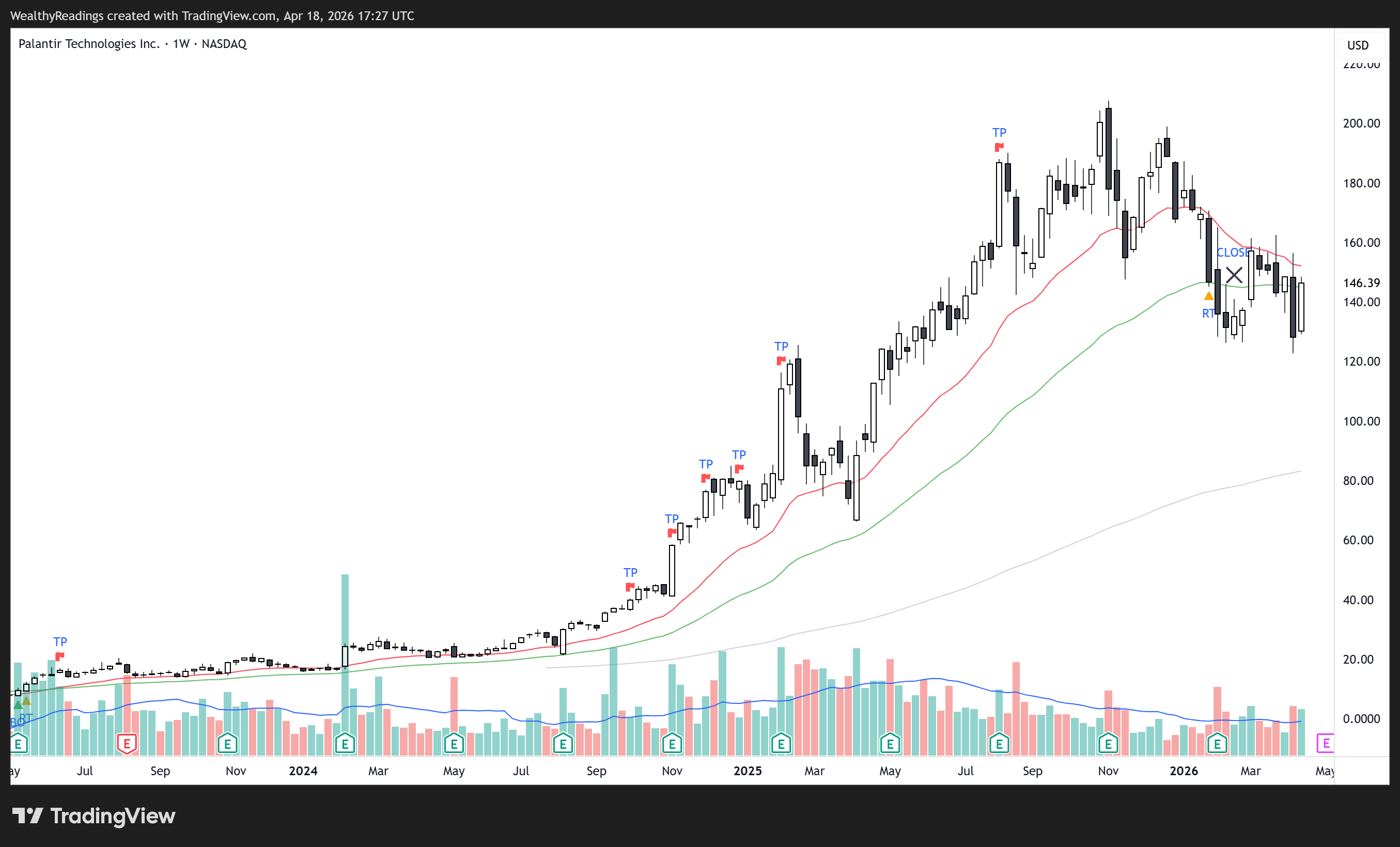
What were the reasons to sell earlier? System-wise, none. Psychologically? The stock had run hard, traded at 100x sales and a dumber P/E, social media was screaming sell. Yet the company kept accelerating revenue and margins, and the multiples followed. Those who trimmed at $40, me included, felt pretty stupid missing a fortune-maker.
Selling shouldn’t come from bias, whether external conditions, pressure, or the urge to lock gains because “it ran too much.” Trimming is fine, but it also needs rules. I watch three indicators:
First, my extension alert, those small red flags on the chart, a homemade signal built on a few conditions. Not perfect (none are), but a good read on when things get hot.
Second, volume. A great stock goes up on high volume, or explosively on low volume. Either a lot of buyers are paying up, or there are no sellers at this price. Both mean the will to hold beats the will to sell.
Lastly, momentum, the pace of the move; it gauges the strength of the trend. Over the months a stock naturally draws less interest and momentum slows. If price keeps rising on falling momentum, it's quietly losing its aggressive buyers, and will stabilize or decline.
Back to Palantir. Ignore the first red flag on the far left, it was triggered during the breakout which naturally comes with an extension. The ones in the middle fired on growing volume and accelerating momentum: an extension fueled by real demand. The fifth fired on a weaker momentum spike but still-healthy volume.
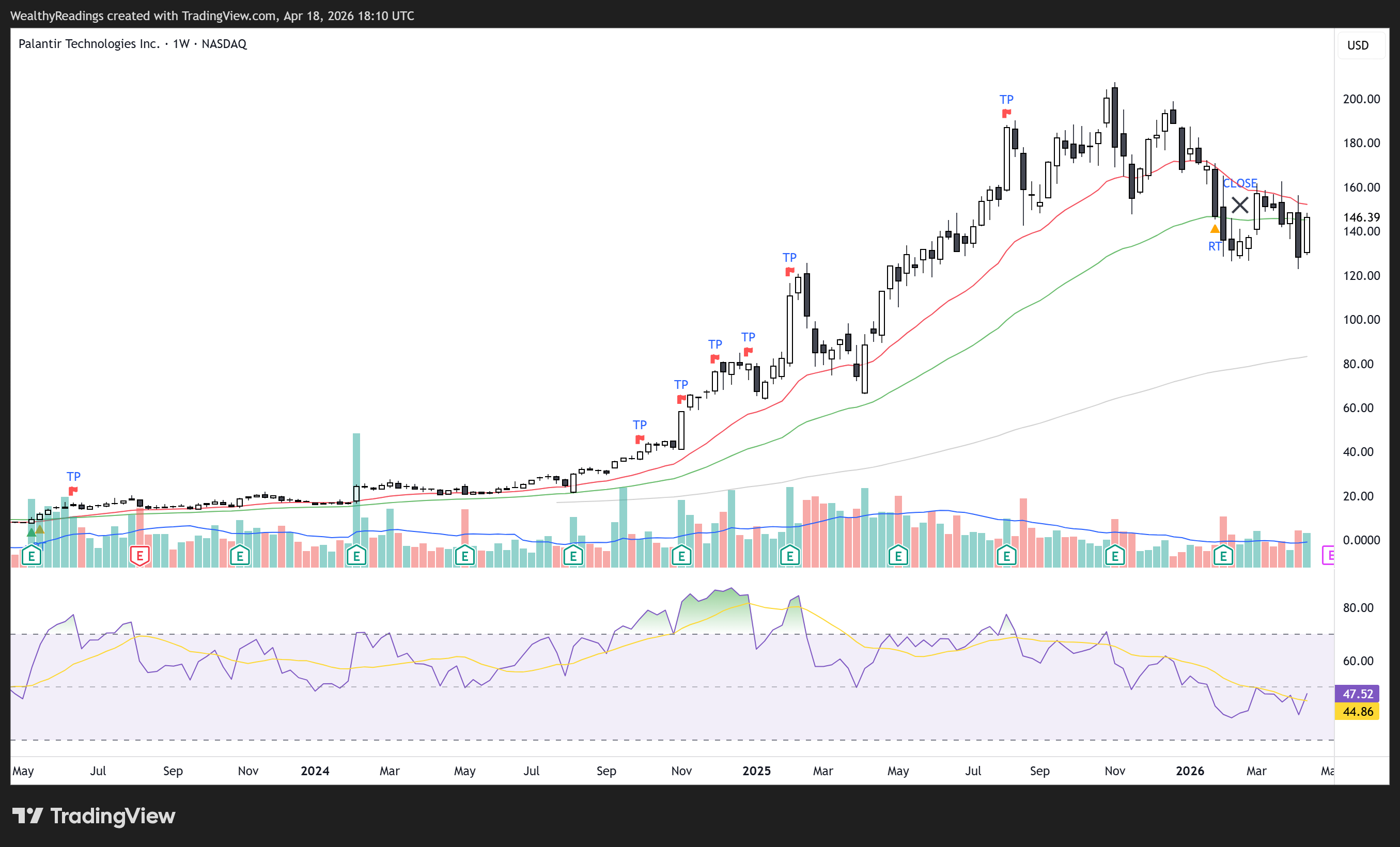
There’s a case to trim on those flags even while volume and momentum are healthy. My buying alerts triggered ~$10 so a first trim after an 8x on a clear extension is reasonable I’d say.
It gets interesting at the ~$180 flag in August 2025. Up ~70% from the prior flag, momentum no longer following - the move is slowing, and volume steadily falling. This time all three indicators agree. From here the odds of big further returns are statistically low; it might be time to rotate. Trim or sell is each person’s call, but the system is clear: something must be done.
Across the whole run, Palantir gave two system-driven windows to trim, then the signal to close when it broke its W50 around $140. Sitting on your hands while the position compounds is the hardest thing to do in this market, and the most important, so you don’t cut compounding early and for no reason.
Following the system, the position started between $10 and $15 (breakout or retest), trimmed around $90 and ~$185, and closed ~$140.

How many who bought in the ~$15s actually pulled those returns? Almost none. Most sold out of fear, pressure, the “too expensive” or “unsustainable” narrative, or some other psychological reason. The exercise is easier after the fact, sure. But we have to learn after the facts, this is how we build systems, with knowledge.
Two things keep great stock pickers from life-changing money: they don't size, and/or don't let winners run. It’s also why I run concentrated positions and cut losers fast, freeing liquidity for compounders. There aren’t many Palantirs out there; owning one with size and holding it is enough to change your life. Which is exactly how I should have behaved, instead of trimming at $40 on personal bias.
We learn from our mistakes.
The Taxes Situation
This depends on where you live, but at the end of the day we’re all taxed. In Europe, most of us pay a flat tax on profits, triggered when we sell. That belongs in the selling process.
If you want to trim a core position with no fundamental change - one you’d buy back lower, do the math for your tax system first. The bigger the gain, the bigger the drawdown you’d need before buying back for the trim to be worth it. Here’s a small table assuming a 30% flat tax.
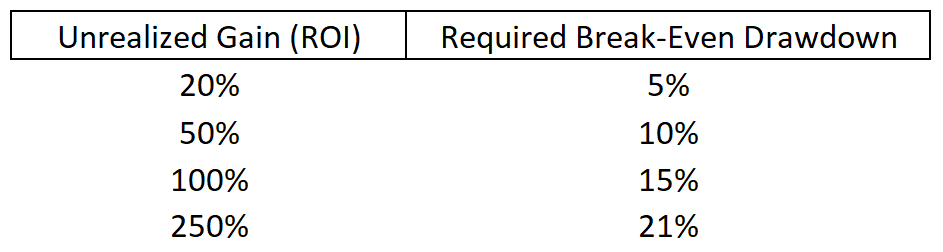
If the pullback you expect isn’t deep enough to buy back meaningfully more shares post-tax, you’re better off just holding.
Concrete Examples
This is What A Future Winner Looks Like

I started following Nebius in January 2025. Its stock is up ~750% since my first write-up, ~220% since my second write-up and ~95% since my last note. There were plenty of opportunities to generate massive returns on this stock over the last year and a half. Many entry points, while fundamentals only grew stronger.
Conclusion
One of my latest write-ups goes through concrete examples, from identifying assets with price action, volume and narrative to buying it and trimming/closing. It is the logical next and final read to understand my system and thinking from A to Z, so I will redirect you to it directly instead of copying it all here.
This is What A Future Winner Looks Like
I started following Nebius in January 2025. Its stock is up ~750% since my first write-up, ~220% since my second write-up and ~95% since my last note. There were plenty of opportunities to generate massive returns on this stock over the last year and a half. Many entry points, while fundamentals only grew stronger.
That’s everything. To close, once more: systems are personal, and only as good as your ability to follow them. I’ve been guilty of breaking mine too many times, and it has always cost me. Over the long run a good system will make you miss opportunities, but it’ll keep you out of far more traps and mistakes, and that is what improves returns.
The hardest part is letting the frustration of a missed opportunity go. Letting the ego go when you’re sure you can do better, hold a little longer, because you just know it’ll work out. The truth is it doesn’t matter. The market is always full of opportunities, executing perfectly on a few matters more than catching one or two more.
Systems are personal. Find what works for you, and follow it.
Disclaimer: I am not a licensed financial advisor, analyst, or broker. This content reflects my personal opinions and investment decisions for informational and educational purposes only. I hold positions in securities discussed and may buy or sell without notice. Nothing here constitutes a recommendation to buy, sell, or hold any security. Past performance does not guarantee future results.
Always conduct your own research and consult a qualified professional before making investment decisions. I accept no responsibility for any financial losses.
Great article - thank you! A few questions:
1) You mention that you look at 21/50/200 EMAs - are they all weekly, or do you look at daily EMAs as well? If the latter, when do you look at W and when at D?
2) Do you always wait for a W50 retest before opening a position? Or do you open at breakout and then size up at the retest? Sometimes the retest may come much higher or not come at all.
Great summary. Thanks for sharing! Don't kick yourself too much for not following your system. Sometimes it needs to be done to find faults in the system or to validate the system. I didn't follow my system for HOOD or PLTR and am very happy I didn't!